 No. 3630046
Choosing a residential school is a big deal for any parent. You want your kids to have a strong academic foundation, but you’re also hoping they’ll pick up life skills, independence, and all the good stuff that happens outside textbooks. If you’re in Hyderabad or nearby, Shamirpet is worth a closer look. The area has a few residential schools that combine classroom learning with hostel living and a long list of extracurriculars.
A solid residential school does more than just teach lessons. Kids get structured days, plenty of chances to play sports or join clubs, and a chance to really sink into friendships. But let’s be honest—not all residential schools deliver the same experience. The real difference comes down to how well teachers engage students, how comfortable and safe the hostels are, how the staff handles health and emotional support, and whether your child actually thrives in that environment.
If you’re searching for a CBSE residential school in Shamirpet, don’t just look at shiny buildings and big playgrounds. Dig deeper. Does the school know how to help each student grow—academically and personally? Are there adults your child will trust? Is there real support when the going gets tough?
For example, Shantiniketan Vidyalaya in Shamirpet might be on your list. They’re co-ed, teach in English, and have been around since 1999. Their website’s got details on their curriculum, the hostel and campus, activities, and how to apply.
Picking a residential school isn’t just about academics or making life easier for commuting parents. It shapes how your child spends their days, learns to manage on their own, makes friends—and, really, it influences who they become. Here’s what a good residential school usually offers:
At a residential school, kids follow routines—a balance between classes, self-study, playtime, and rest. This arrangement can assist pupils in forming good study habits. There are teachers there to help if pupils get stuck, and there are regular check-ins so no one slips through the net. Ask schools about how they keep parents in the loop, and how they aid kids who are struggling with certain areas. The best schools don’t merely pursue marks; they cultivate actual understanding and interest.
Hostel life nudges kids to stand on their own feet. Managing laundry, sticking to schedules, keeping their spaces clean—these lessons happen every day. Of course, it’s a big change, especially at first. If your child’s never been away from home, there might be homesickness or nerves. Talk openly about it, and see what sort of onboarding or support new boarders get from the school.
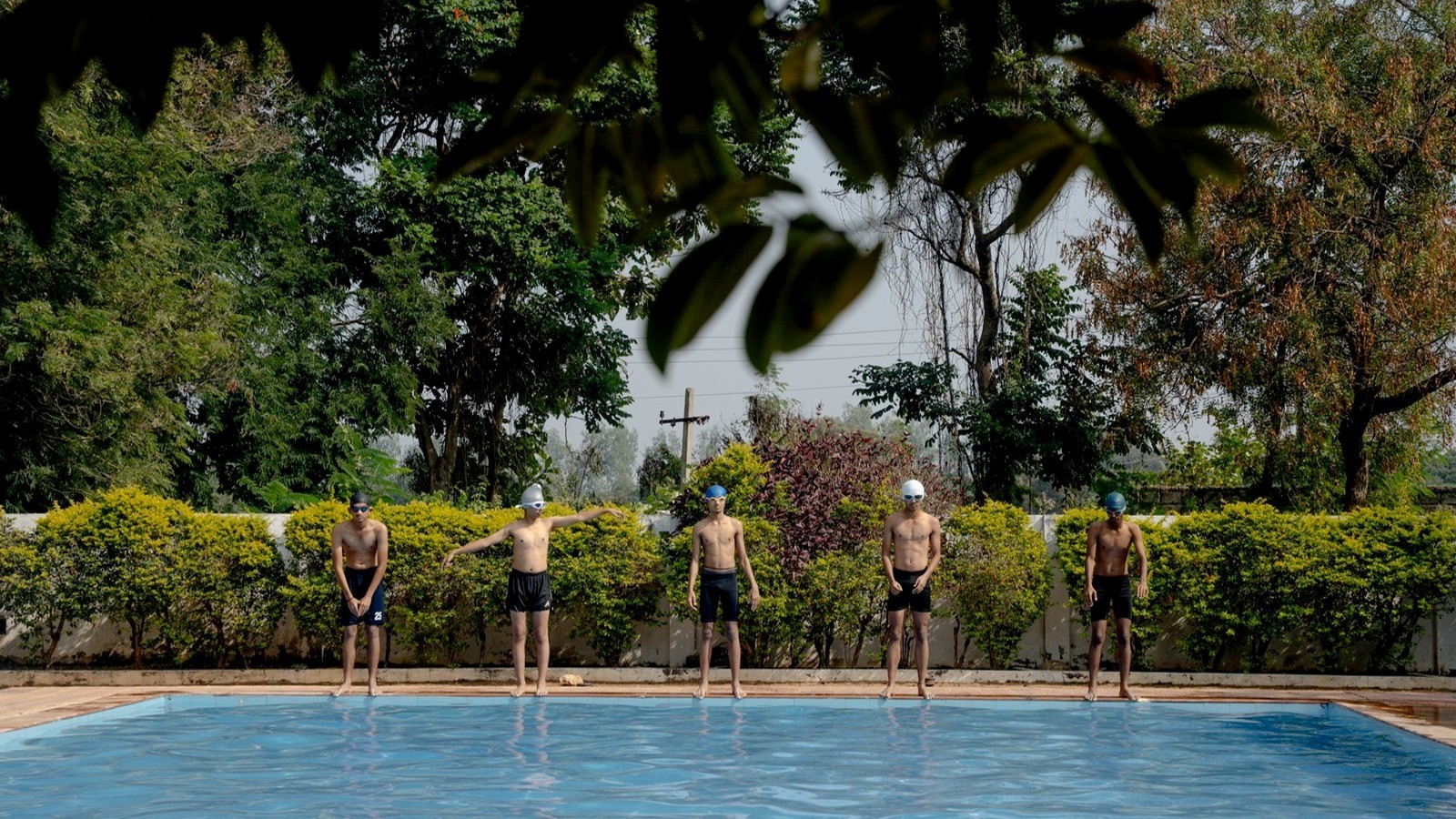
Physical activity is a big. “It’s not just medals. Kids learn to work as a team, deal with wins and losses, and stay healthy.” See if the school's sports program fits your child's interests. Will your youngster get to experience new things?
Residential schools have kids grouped for classes, meals, and recreation. It’s a crash lesson in how to make friends, how to work in teams, how to see new views. But it only works if the school has a strong, welcoming culture. Ask about their anti-bullying policy, how teachers deal with problems, and how accessible aid is when a child needs it.
A good residential school gives kids reasons to step out of their comfort zone—music, drama, painting, school clubs, leadership roles, or speaking in public. These activities help quieter students gain confidence and let others discover new passions. Ask how often such activities happen, and if there’s room to try different things throughout the year.
Find out about the school’s current CBSE affiliation. Well-equipped classrooms, labs, and a good library make a real difference. If you’re looking at a school like Shantiniketan Vidyalaya, you can verify their affiliation online and check out what courses they really offer.
The best method to judge hostel conditions is to visit for yourself. If you can, go visit. Check out sleeping areas, bathrooms, study rooms, and hangout spots. Is it clean? Is it well-ventilated? Is it safe?
You need to know how students are watched over—day and night. Who’s responsible in the hostel? How do they manage visitors? What happens if a child gets sick or has a problem with another student?
See what’s being offered, how often meals are served, and if the dining space is clean. Are they able to accommodate dietary restrictions or allergies? Check out what happens if your child needs medical assistance, especially after hours, and how parents are kept informed if something happens.
Don’t rely only on websites or brochures. A campus visit shows you what daily life’s really like. Take a tour—classrooms, hostels, mess halls, playgrounds. If possible, talk to current staff and students.
Academic fees are just half the story. Find out what is included (like meals, uniforms, and activities) and what isn't (like transportation, trips, or extra coaching). Get this information in writing so that you can compare like with like.
Schools have their own rules—deadlines, entrance tests, needed documents, or waiting lists for hostel spots. Make sure you tick every box.
Even the best school isn’t a fit if your child isn’t ready for residential life. Talk honestly about what to expect, what they’re excited or worried about, and where they might need support.
Make time to visit, ask real questions, double-check the details, and get your child involved in the process. At the end of the day, the right place helps your child grow—not just as a student, but as a person who’s ready for what’s next.