 No. 3630046
You want strong academics, sure, but you also have to look at the hostel life, sports, extracurriculars, and how well the school helps kids grow up, not just learn facts. A residential setup gives children not only schooling but also a routine, some freedom, and plenty of chances to make friends and figure out what they like.
Hyderabad has quite a few residential schools, and they all have their own style. Some put a big focus on academics, others prioritize sports, and their boarding setups vary a lot. It’s smart for parents to go beyond fancy brochures and dig a little deeper—see how the school really works day-to-day.
For families looking for this kind of environment, Shantiniketan Vidyalaya in Shamirpet is worth a look. If you know what matters in residential schooling and what CBSE brings to the table, your decision will feel more solid.
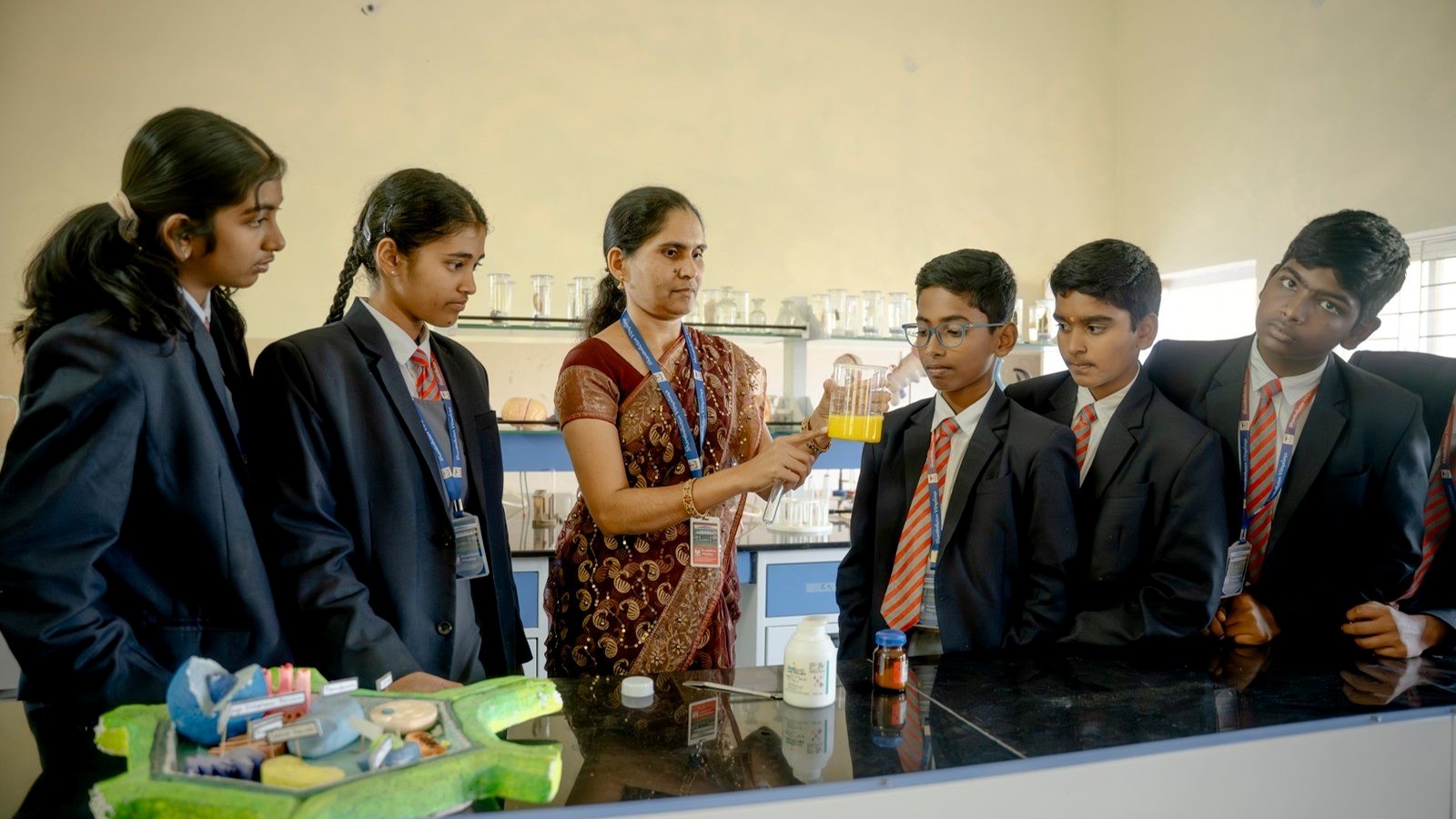
Here’s the deal: a CBSE residential school lets your child follow a well-organized curriculum while living on campus. That means kids learn both in and out of the classroom—they build routines, manage their own stuff, learn independence, and still get plenty of guidance.
The CBSE system brings structure. There's a plan for the English, maths, science, social science, and language subjects you will do at each level, and in senior secondary levels, you'll do different subject combinations so you're prepared for college courses you are considering after that.
Residential schools are good places for kids to practice independence in a safe, supervised way. They have to stick to a schedule, keep their stuff organized, finish their homework (hopefully on time!), and balance school with downtime. These habits might not form instantly, and younger kids especially need time and help to adjust. Ask what the school does to help new boarders settle in, so you know your child won’t feel lost.
A residential school’s routine isn’t just about study—it’s about balance. Study periods should help kids learn time management and stay prepared for tests, but there also need to be breaks, sports, sleep, and social time. Parents should check if students can easily approach teachers for help, and see how the school helps kids who are behind or struggling.
Sports, clubs, group assignments, and just regular hostel life give lots of chances for this kind of growth. Parents should ask about how the school deals with bullying, conflict, and emotional support—because a school should be a place where you feel safe asking for help.
Kids need more than books. Sports and creative activities like music, art, and drama help students discover what they like, build confidence, and stay healthy. These programs should be available for all ages and skill levels, not just the kids who already excel.
Not all kids pick things up at the same pace. Good schools have systems to spot learning gaps—maybe through extra classes, teacher check-ins, or revision sessions. Parents should ask how this works and how they’re kept in the loop about their child’s progress.
As kids head for higher classes, subject choices and exam prep matter. Check what combinations are available at the senior secondary level and what guidance is given for college and career planning.
School isn’t just about marks. Debates, speeches, and group projects all help people talk to each other, work together, and solve problems. Kids take these skills into college and the workplace, so schools should encourage curiosity and participation.
Where a young person lives in a hostel- where they will eat, sleep, and relax- can make or break the residential experience. Parents should choose a clean hostel with fresh air, lounges, and study areas. Read more on monitoring, visiting rules, and how they contact home.
Meals, hygiene, and medical support are big deals. Ask what’s on the menu, how dietary needs are handled, and where students go if they get sick. Don’t assume all schools offer the same level of care—see for yourself.
Some kids love hostel life right away; others miss home. Parents should ask what systems are in place for emotional support, settling in, and addressing bullying or conflicts. Schools should have ways for students to reach out—and they should be clear.
Shantiniketan Vidyalaya, co-ed and CBSE-affiliated (number 3630046), has boys’ and girls’ hostels, classrooms, sports grounds, art spaces, a dining hall, activity areas, and an open-air theatre. Families can check out its official info online, but nothing beats a campus visit. Go see the facilities, talk to staff, and really check what’s provided—from academics to meals to medical support.
Choosing the right CBSE residential school in Hyderabad is a full-package decision. Good classes, caring teachers, strong hostels, sports, and emotional support all count. Residential education helps kids learn independence and build important life skills, but the quality of the environment matters just as much as what’s taught.
One choice is the Shantiniketan Vidyalaya in Shamirpet. Review their official info and talk to them directly—the more you know, the better the fit.
A good residential school helps kids grow into confident, well-rounded, responsible young people, not just good students.