 No. 3630046
Finding the right international boarding school in Hyderabad isn’t just about picking the flashiest campus or the school with the most impressive name. You want a place that actually fits your child—something with a solid curriculum, good teachers, a welcoming residential environment, and real opportunities to grow in every way.
Hyderabad has all sorts of schools offering different pathways. You’ll see IB, Cambridge, and India’s CBSE curricula on offer. Some schools merge international programs with residential life; others stick to Indian boards. Get clear on what’s actually being taught before you dive in, because the differences can really matter.
Let’s break down what you’ll want to look for:
The term “international school” gets thrown around a lot, but it doesn’t always mean what you think. Schools might have different teaching styles, student groups, or actual curricula. Don't take their marketing at face value—dig in to see what they offer.
This is the heart of your decision. IB and Cambridge are built differently—they structure lessons, assess students, and teach skills in ways that aren’t quite like CBSE. IB includes the PYP, MYP, and DP. Cambridge has IGCSE, International AS, and A Levels. Not every school offers all these programs.
CBSE, meanwhile, sticks to India’s national standards. If your child plans to continue in India—and especially if entrance exams are a concern—CBSE could make more sense.
Ask some key questions:
Honestly, it’s about fit. An international label doesn’t guarantee success for every kid.
International programs often claim to be big on inquiry, hands-on learning, or group work—but the reality on the ground might be different. So, don’t just read brochures; ask how lessons are run.
Are students doing research projects, group assignments, debates, or presentations? These activities build real skills, not just textbook knowledge.
On your tour, find out:
Classrooms should be places where students feel comfortable asking questions and where they actually learn, not just memorize.
If you’re eyeing international curricula because your child’s aiming for colleges abroad, check how the school’s qualifications correlate with various universities. Some places require specific subjects or boards.
Ask about counseling, prep for applications, and how the school helps students find the right path. Don’t assume a certain curriculum will guarantee university admission.
If your child plans to stay in India, make sure the subjects and board line up with entrance requirements here. Early planning prevents headaches later; you want flexibility without closing doors.
Some foreign schools take kids from all kinds of backgrounds, which is fantastic for extending horizons. But the composition of the community is different. Learn about language support, inclusion policies, and cultural events.
Ask about bullying, differences, day-to-day problems, and how the school deals with these. These things are as important as academics.
The costs can pile up quickly: tuition, boarding, meals, sports, activities, etc. Ask for a detailed breakdown of the fees before you apply.
Ask what’s covered:
Double-check payment schedules, refunds, and possible extras. Compare what’s covered, not just tuition numbers.
Boarding schools have students living on or near campus, and the quality of that experience depends on routines, supervision, and facilities. See dorms, restrooms, lounging spaces, study spots & dining halls. Talk about sharing rooms, cleanliness, support staff, and how things function after hours. How do students connect with their families? What if someone is unwell or requires care in the middle of the night? You want an environment that feels safe and supportive, not just utilitarian.
Living away from home is a big adjustment. Kids deal with homesickness, new routines, and finding their social groove. Ask:
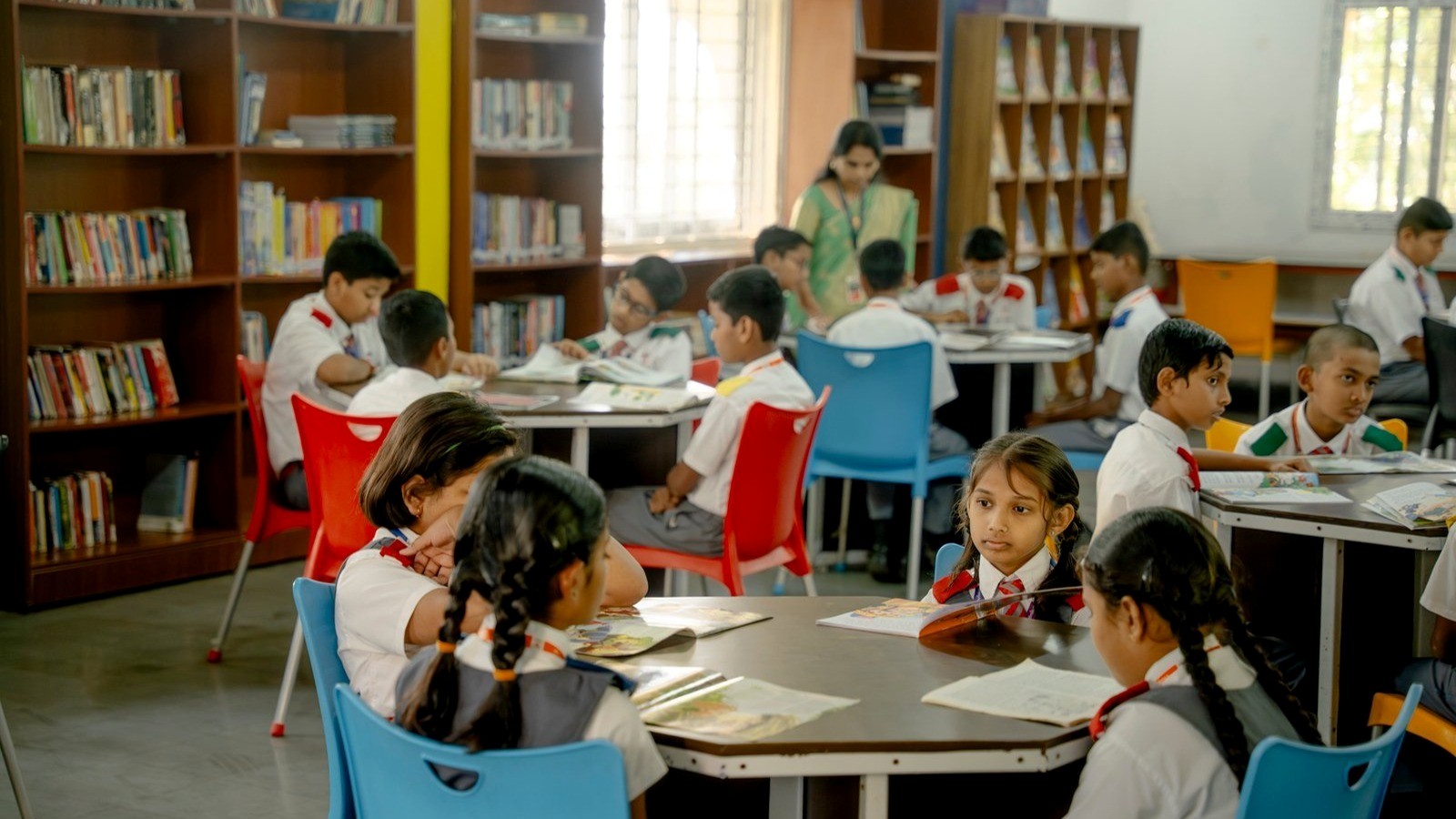
See if facilities actually match the school’s promises. Check out classrooms, labs, libraries, sports fields, medical rooms, art studios—look for quality, not just quantity. Ask how students use these spaces, how often activities happen, and how everything’s maintained. A campus visit is the best way to see if the environment fits your expectations.
You’ll find plenty of schools with different boards and residential setups. Here are some to look into:
The Aga Khan Academy—offers IB curriculum and boarding. Review their programs, living arrangements, admissions, and fees on their website.
International School of Hyderabad—research their curriculum and age-appropriate boarding on the official site. For any school, confirm the exact curriculum, grade eligibility, residential options, and fees. Not all grades are eligible for boarding, even if it’s available.
Located in Shamirpet, Shantiniketan Vidyalaya is a co-ed, English-medium CBSE residential school. That’s what their own website says, and their CBSE affiliation number is 3630046. They list facilities like classrooms, labs, library, hostels, and sports spaces.
Shantiniketan Vidyalaya is a CBSE-affiliated residential school. It should be considered a CBSE boarding option, rather than an IB or Cambridge school. Review its curriculum and admissions information when comparing different educational pathways.
Once you’ve got your shortlist, base your decision on your own child’s needs.
Are they heading for college in India, abroad, or a specialized path? This shapes whether CBSE, IB, Cambridge, or another board makes the most sense.
Think about their strengths, interests, language abilities, and learning style. Some love independent research—others thrive with structured lessons and clear assessments. Talk it through with your child and, if needed, teachers or advisors. Their opinions matter.
Go see the campus. Tour during a regular school day. Ask about schedules, teaching style, boarding routines, meals, supervision, sports, and how students spend weekends. Speak with staff about how new students settle in and how you’ll get updates about progress and wellbeing.
Admission steps vary. Get the current info from each school—documents, interviews, deadlines, grade levels, prerequisites. If you’re switching boards, ask if extra prep is needed. Don’t just trust third-party listings—use official sources.
Compare everything: tuition, boarding, meals, activities, transport, exam fees, and extras. Ask about potential fee changes and which costs are billed separately.
If the school’s far from home, factor in travel and visits. Budgeting upfront makes your choice clearer.
Boarding isn’t perfect for everyone. Kids should feel comfortable with shared living, new routines, and some independence.
Talk openly about what boarding life involves, let your child share concerns, and visit the campus together. Honestly, the best school is the one where your child feels safe, respected, and challenged—in class and out.
Picking an international boarding school in Hyderabad takes research. Look at curriculum, teaching style, boarding life, activities, fees, and above all, whether it fits your child’s dreams.
Check out The Aga Khan Academy and International School of Hyderabad for international options. Shantiniketan Vidyalaya is worth a look for CBSE residential, but keep in mind the differences. Verify program details, grade levels, boarding, fees, and admissions directly with each school. Walk the campus, talk with your child, and choose a place where they’ll thrive academically and personally.